


See What Hood Cooker Tricks The Celebs Are Utilizing
페이지 정보
작성자 Manuela 작성일26-03-29 10:22 조회5회 댓글0건본문
Everything You Need to Know About Hood Cookers: The Ultimate Kitchen Companion
Hood cookers, typically referred to as range hoods, are necessary devices in contemporary kitchens. They are created to aerate the location by recording heat, smoke, steam, and odors produced during cooking. With the varied choices available, consisting of different styles, installing types, and features, selecting the ideal hood cooker can be an overwhelming task for numerous house owners. In this post, we will explore the world of hood cookers, exploring their types, functions, benefits, and essential factors to consider for choosing the ideal range hood for your home.
Table of Contents
- Comprehending Hood Cookers
- 1.1 What is a Hood Cooker?
- 1.2 Why Install a Hood Cooker?
- Kinds Of Hood Cookers
- 2.1 Wall-Mounted Range Hoods
- 2.2 Under-Cabinet Range Hoods
- 2.3 Island Range Hoods
- 2.4 Downdraft Ventilation
- Secret Features to Consider
- 3.1 Size and Height
- 3.2 Airflow Efficiency
- 3.3 Noise Levels
- 3.4 Lighting Options
- 3.5 Filtration Systems
- Benefits of Having a Hood Cooker
- Tips for Choosing the Right Hood Cooker
- Frequently Asked Questions (FAQs)
1. Comprehending Hood Cookers
1.1 What is a Hood Cooker?
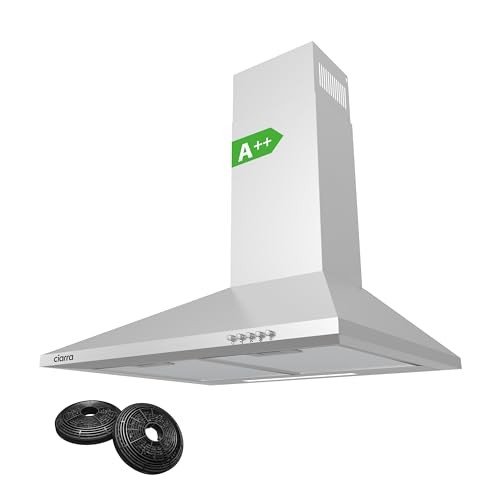
A hood cooker is a kitchen device created to remove airborne grease, smoke, and smells produced while cooking. By effectively flowing air, hood cookers help maintain a fresh and enjoyable environment in the kitchen.
1.2 Why Install a Hood Cooker?
Setting up a hood cooker has a number of advantages:
- Improved Air Quality: It assists in getting rid of humidity and impurities from the air.
- Enhanced Cooking Experience: A clean air environment makes cooking more pleasurable.
- Safety: Reducing airborne grease reduces the threat of kitchen fires.
- Visual Appeal: A trendy hood cooker can enhance the overall design of a kitchen.
2. Kinds Of Hood Cookers
Numerous types of hood cookers are available, each designed to fit various kitchen styles and setups.
2.1 Wall-Mounted Range Hoods
Usually installed above the cooking range on a wall, these hoods can be discovered in numerous designs, from standard to contemporary.
Pros:
- Suitable for numerous kitchen designs.
- High suction power.
Cons:
- Requires adequate wall space.
2.2 Under-Cabinet Range Hoods
These are set up beneath kitchen cabinets, saving space while providing good ventilation.
Pros:
- Compact and space-saving.
- Much easier to install.
Cons:
- May not be as effective as wall-mounted options.
2.3 Island Range Hoods
These range hoods are designed for kitchens with a cooking island, hanging above the stovetop.
Pros:
- Aesthetic focal point.
- Offers exceptional ventilation.
Cons:
- Higher setup expenses.
2.4 Downdraft Ventilation
Installed directly behind the cooktop, downdraft systems pull smoke and vapors down while cooking.
Pros:
- Discreet and minimalistic.
- Saves overhead area.
Cons:
- Less reliable for heavy cooking.
| Kind Of Hood Cooker | Pros | Cons |
|---|---|---|
| Wall-Mounted | Versatile, High suction power | Needs wall area |
| Under-Cabinet | Space-saving, Easy installation | Might have lower power |
| Island | Appealing, Excellent ventilation | Greater setup expenses |
| Downdraft | Minimalist, Space-saving | Less reliable for heavy cooking |
3. Secret Features to Consider
When picking a hood cooker, keep these vital functions in mind:
3.1 Size and Height
Pick a hood cooker that matches the width of your cooktop. Normally, it should be at least 3 inches larger than the range on each side. The recommended height is 24 to 30 inches above the cooktop for wall-mounted hoods.
3.2 Airflow Efficiency
Measured in cubic feet per minute (CFM), airflow efficiency figures out how well the hood gets rid of smoke and smells. A higher CFM ranking indicates much better efficiency. Normally, a range hood should have a CFM score of 300 to 600.
3.3 Noise Levels
Sound can be an essential factor to consider. Most range hoods run in between 1.5 to 6.5 sones. A sones rating of 1.5 to 3.0 is thought about peaceful, while anything above that might be disruptive.
3.4 Lighting Options
Great lighting is necessary while cooking. Lots of hood cookers come equipped with incorporated lighting, which can be halogen, LED, or incandescent. Select intense lighting that can illuminate your cooking surface area efficiently.
3.5 Filtration Systems
Two primary types of filtering systems exist: ducted and ductless. Ducted hoods expel air exterior, while ductless hoods use filters to recirculate air. Choose based on your kitchen's layout and choice.
| Feature | Importance |
|---|---|
| Size and Height | Matches cooking surface area, ensures performance |
| Air Flow Efficiency (CFM) | Determines the hood's ability to aerate |
| Sound Levels | Comfort level during operation |
| Lighting Options | Exposure while cooking |
| Purification Systems | Ducted vs. ductless based on setup requires |
4. Advantages of Having a Hood Cooker
- Air Quality Improvement: Removes pollutants in the air.
- Aesthetically Pleasing: Enhances kitchen style.
- Increased Home Value: A well-designed range hood can increase resale worth.
- Cooking Safety: Reduces fire dangers by controlling grease accumulation.
5. Tips for Choosing the Right Hood Cooker
- Evaluate Your Cooking Habits: Consider how often and intensively you prepare.
- Procedure Your Space: Ensure correct fit within your kitchen design.
- Style Preferences: Choose a style that complements your kitchen decoration.
- Budget: Set a reasonable budget plan that consists of setup costs.
6. Frequently Asked Questions (FAQs)
Q1: Do I need a hood cooker if I have a gas stove?A1: Yes, it is suggested as gas stoves produce more toxins and require appropriate ventilation for security and air quality. Q2: How typically ought to I clean up the hood filters?A2: It is advisable toclean grease filters monthly and replace charcoal filters
every 6 months to preserve effectiveness. Q3: Can I set up a hood cooker myself?A3: While some individuals can install it, it is advised to
hire an expert for proper setup
and alignment. Q4: What CFM rating is best for my kitchen?A4: A general guideline is to go for 100 CFM for every 10,000 BTUs of your stove's
output. For typical home cooking, a CFM in between 300-600 must be enough. In conclusion, hood cookers are a vital part of every modern kitchen, enhancing air quality, enhancing safety, and adding to the kitchen's total aesthetics. By comprehending the different types, features, and advantages, house owners can make informed options that best match their cooking habits and kitchen designs.
댓글목록
등록된 댓글이 없습니다.