


20 Questions You Should Ask About Pallets Manufacturer Before You Buy …
페이지 정보
작성자 Harris 작성일26-03-15 04:52 조회2회 댓글0건본문
The Role of Pallet Manufacturers in Modern Logistics
In today's busy worldwide economy, the role of pallet manufacturers is more vital than ever. Pallets, frequently taken for given, are the unsung heroes of supply chains, making the transportation and storage of products efficient and economical. This post dives into the detailed world of pallet manufacturing, the various types of pallets available, manufacturing procedures, and their significance in numerous industries.
Comprehending Pallets
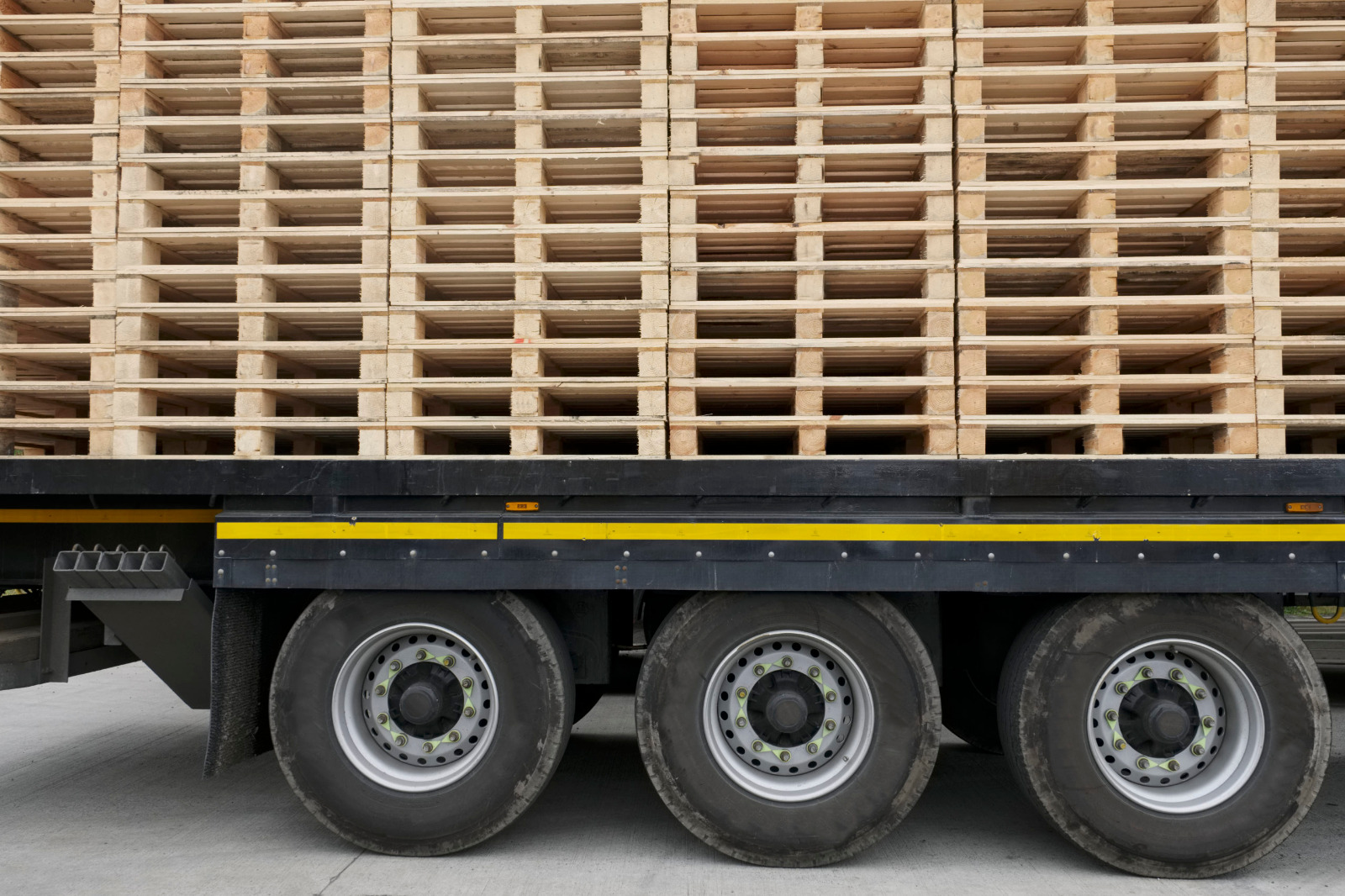
Before diving into the specifics of pallet producers, it's necessary to understand what pallets are and their significance. A pallet is a flat structure, generally made of wood, plastic, or metal, that supports products in a stable way during storage and transport. They allow for the simple handling of items utilizing forklifts and pallet jacks and can be stacked to maximize area.
Table 1: Types of Pallets
| Pallet Type | Product | Functions | Common Uses |
|---|---|---|---|
| Wooden Pallets | Wood | Long lasting, affordable, easily fixed | Warehousing, shipping, retail |
| Plastic Pallets | Plastic | Light-weight, resistant to moisture, hygienic | Food and pharmaceutical industries |
| Metal Pallets | Metal | Durable, long-lasting, protected | Automotive parts, heavy equipment |
| Paper Pallets | Paper | Lightweight, recyclable | Retail, light items |
| Composite Pallets | Mixed Materials | Resilient and weather condition resistant | Robotics, automated storage systems |
The Manufacturing Process
Pallet production is a careful procedure including numerous phases to ensure quality and resilience. Here's a better look at the manufacturing actions:
Material Selection: The type and quality of materials chosen will figure out the pallet's durability, weight capacity, and cost-effectiveness.
Cutting and Shaping: Raw materials are cut to shapes and size into the required pallet style. This consists of any necessary reinforcements.
Assembly: Pieces are assembled utilizing nails, screws, or adhesives, depending upon the products used.
Ending up: Some pallets are sanded for a smoother finish, treated for insect resistance, or painted for identification.
Quality assurance: Finished pallets undergo quality checks to guarantee they satisfy market requirements and consumer requirements.
Table 2: Manufacturing Methods
| Technique | Description | Benefits |
|---|---|---|
| Conventional Woodworking | Handmade methods that provide modification | High craftsmanship and originality |
| Automated Processes | Use of equipment and robotics for mass production | Increased effectiveness, lower costs |
| Injection Molding | For plastic pallets, products are heated up and formed | Consistency and toughness |
| Pressing | Compressing materials into shape for paper pallets | Ecologically friendly and light-weight |
Significance of Pallets in Various Industries
Pallets are utilized throughout varied industries, each requiring specific styles and products. Below are some essential sectors that rely heavily on pallets:
Manufacturing: Ensures products are kept and shipped effectively, typically making use of wooden pallets for heavy products.
Retail: Enables retailers to stock and screen products without jeopardizing safety, often utilizing a mix of plastic and wooden pallets.
Food and Beverage: Emphasizes health and moisture resistance, making plastic pallets a favored choice.
Health care and Pharmaceuticals: Requires stringent compliance with safety requirements, prompting using particularly created plastic Buy Pallets.
E-commerce: Supports the quick fulfillment of online orders, typically needing flexible pallet styles for varied product sizes.
Table 3: Industry-Specific Pallet Requirements
| Market | Material Preferred | Key Feature Required |
|---|---|---|
| Food and Beverage | Plastic | Resistant to wetness, simple to tidy |
| Pharmaceuticals | Plastic or Lightweight Wood | Sterile, robust versus contamination |
| Automotive | Metal | Heavy-duty, able to withstand rigors |
| E-commerce | Composite | Versatile and efficient in varied loads |
| General Manufacturing | Wood | Cost-effective and strong for bulk storage |
Challenges Faced by Pallet Manufacturers
While pallet manufacturing is crucial to logistics, it is not without its obstacles:
Sustainability: There is increasing pressure to adopt sustainable practices, consisting of sourcing environment-friendly products.
Global Supply Chain Issues: Material lacks can postpone production, affecting delivery timelines.
Market Demand Fluctuation: Manufacturers should adjust to seasonal need modifications, which can impact operational efficiency.
Regulatory Compliance: Compliance with security and environmental regulations can include complexity to manufacturing procedures.
Regularly Asked Questions (FAQ)
Q1: What is the typical lifespan of a wooden pallet?A1: A typical wooden pallet can last from 5 to 15 years, depending on usage, maintenance, and ecological conditions.
Q2: Can pallets be recycled?A2: Yes, the majority of
pallets can be repaired and reused several times before being recycled into new items.
Q3: Are plastic pallets much better than wooden ones?A3: It depends on the application. Plastic pallets are generally more hygienic and resilient, while wooden pallets are often less expensive and much easier to repair. Q4: How do I choose the best pallet for my business?A4:
Consider elements such as the type of products being handled, weight limits
, health requirements, and cost-efficiency. Pallet producers play a vital function in the logistics and supply chain ecosystem
, supplying vital support for different markets. By understanding the types of pallets readily available, the manufacturing procedure, and the significance of pallets in different sectors, services can make educated decisions about their logistics needs. Sustainability, performance, and adaptability are crucial styles that loom big in the market, making it imperative for manufacturers to remain ahead of obstacles while continuously innovating. As supply chains progress, so too will the technologies and procedures behind pallet manufacturing, solidifying their status as essential assets in the transportation of products.
댓글목록
등록된 댓글이 없습니다.